



MaxBounty Virtual Cards for Affiliate Ad Spend and Payouts
A MaxBounty virtual card (a VCC, or "virtual credit card" as affiliate marketers often call it) is a prepaid payment card a publisher uses to pay for the traffic and tools behind MaxBounty campaigns, not a way to pay MaxBounty. Short answer: MaxBounty never charges affiliates. It pays you, on a net-15 schedule first and then weekly, through Payoneer or Tipalti (PayPal, wire, ACH, eCheck or check) once your balance passes $100. Your costs sit on the other side of the ledger: Meta, Google and TikTok ads, native and push networks, a tracker, landing pages and domains. That is where a reloadable USD virtual payment card from Vizovcc earns its place, especially if your bank card keeps getting declined by ad platforms or you want each campaign on its own budget.
Key takeaways
- MaxBounty pays, it does not bill. Payouts are net-15 for your first payment, then weekly if you are paid electronically, with a $100 minimum that rolls over until you reach it.
- The card is for ad spend and tools. Facebook Ads, Google Ads, TikTok Ads, Taboola, Outbrain, PropellerAds, Voluum, hosting and domains all need a card; MaxBounty does not. A prepaid card cannot receive your MaxBounty payout.
- Approval is real. Expect an application, a short phone or video interview and compliance checks. Buying an "approved account" is grounds for termination and forfeiture under MaxBounty's terms.
- Vizovcc cards are USD prepaid Visa and Mastercard cards bought with crypto for a $5–$15 issue charge, reloadable, with no monthly fee and no identity documents. One card per ad account is the usual setup.
What Is MaxBounty? A CPA Network Overview
MaxBounty is a cost-per-action (CPA) affiliate network founded in 2004 and based in Ottawa, Canada. Advertisers list campaigns that pay a fixed amount for a defined action, such as a lead form, free-trial sign-ups, app installs or a sale, and publishers send traffic to those campaigns through tracking links. MaxBounty sits in the middle: it vets publishers, tracks actions through postbacks, collects from advertisers and pays them one aggregated commission. The network's own figures are 30,000+ affiliates and 3,000+ active campaigns, and it was ranked the number one CPA network of 2024 by mThink's Blue Book, with a Hall of Fame award for twenty years in the business.
Two things changed recently that many "MaxBounty review" pages have not caught up with. On 13 August 2024 the company was acquired by mrge, a Hamburg-based commerce advertising group backed by Waterland Private Equity; MaxBounty continues as a standalone network in Ottawa under the legal name mrge BC Advertising Inc. dba MaxBounty, with Matt McEvoy still CEO, and its affiliate agreement was reissued the same day. Second, the network has been moving its primary payout rail to Payoneer, which matters for anyone comparing payment methods. The campaign mix covers finance and insurance, health and wellness (the health campaigns with high traffic that publishers ask about), dating, gaming and mobile app installs (CPI), sweepstakes and e-mail submits, e-commerce free trials and crypto leads. Payouts range from about $1 for a single-page e-mail submit to $200 or more for a qualified US finance or insurance lead.
What a MaxBounty Virtual Credit Card (VCC) Is Actually For
Short answer: the card pays for everything you buy to run MaxBounty offers, and nothing you owe MaxBounty, because you owe MaxBounty nothing. Pages that tell you to "add your virtual card in MaxBounty payment settings" are describing something that does not exist: the payment page collects your Payoneer or Tipalti details so MaxBounty can send money to you. Here is where a card genuinely belongs in a CPA media buyer's workflow:
- Paid traffic. Meta Ads, Google Ads, TikTok Ads and Microsoft Advertising bill a card on a threshold or monthly cycle. Native networks (Taboola, Outbrain, MGID), push and pop networks (PropellerAds, Zeropark, RichAds) and search arbitrage sources take prepayments by card.
- Tools. A tracker such as Voluum, RedTrack, Binom or ClickFlare, a landing-page builder, hosting, domains, a spy tool and an anti-detect browser all bill monthly by card.
- Budget separation. Virtual card numbers are cheap, so one new card per ad account or per campaign makes it obvious which ad campaigns are profitable, streamlines reporting, caps the damage when an ad account is hacked or a campaign runs away overnight, and keeps your personal bank card out of ad platforms that are notorious for surprise charges.
- Geography. Publishers in Pakistan, Bangladesh, Nigeria, India, Egypt, Vietnam and much of Latin America are accepted by MaxBounty but regularly have local cards declined by Meta or Google. A US-dollar prepaid card from the right issuer removes that specific failure.
What a card is not for: receiving your commissions (use Payoneer, PayPal, wire or ACH), and signing up to offers yourself to "test" conversions. MaxBounty's FAQ is explicit that generating your own leads breaks the affiliate terms, and compliance monitors for it.
MaxBounty Payment Methods, Payment Schedule and Minimum Payout
These are the terms from MaxBounty's FAQ and the affiliate agreement effective 13 August 2024, not from forum memory.
| Item | MaxBounty terms | What it means in practice |
|---|---|---|
| First payment | Net-15: earnings from a month are paid about 15 days after that month ends (January earnings on 15 February) | Budget six to seven weeks of ad spend before the first payout lands |
| Weekly payments | Automatic after you have received one payment and are paid electronically | Reviewers report Wednesday payouts; "instant payouts" do not exist at MaxBounty |
| Minimum payout | $100, or the higher minimum you set yourself; balances below it roll to the next period | Thresholds can differ by payment type and can change without notice |
| Payment platforms | Payoneer and Tipalti | Within them: PayPal, wire, ACH, eCheck, check and Intercash, depending on your country; MaxBounty says Payoneer is becoming the primary rail |
| Reversals | Advertiser or MaxBounty may reverse actions at any time, including after you were paid | Scrubbed leads can be deducted from a later payout |
| Advertiser non-payment | Commissions are owed only on actions the advertiser pays for | A delinquent advertiser can delay or cancel your commission |
| Referral bonus | 5% of a referred publisher's commissions for 12 months | Paid on their earnings, excluding bonuses |
| Inactivity | No login for 6 months = inactive; 9 months = account may be terminated and any balance debited | Log in even in off-seasons |
| Terminated accounts | No payment is issued, even if only part of the traffic was fraudulent | Compliance decisions are final in practice |
On fees: MaxBounty does not publish a payout fee of its own, but the receiving side does. Payoneer receives payments from another Payoneer balance free and charges for other inbound routes, PayPal applies its own receiving and currency fees, and wires carry bank charges at both ends. Choose the method by what it costs to get the money out in your country, not by what looks fastest.
MaxBounty payment proof: what the review sites show
The two public review pools disagree, and both are worth reading. On affpaying, MaxBounty has 407 reviews with an average near 4.9 across offers, payout, tracking and support, and the October 2026 entries say payments arrive on time. On Trustpilot the TrustScore is 1.8 from 237 reviews: 58% five-star, 37% one-star, and the one-star reviews from 2025 and 2026 describe accounts closed shortly before a payout, unpaid balances and managers who stopped replying. MaxBounty does not respond there. Read together, the pattern is consistent with MaxBounty's own FAQ: publishers who stay compliant are paid weekly; publishers flagged by compliance are terminated and not paid, often without a detailed explanation. The practical lesson is to keep traffic clean and documented, because there is no appeal process worth relying on.
Is MaxBounty Legit?
Short answer: yes. MaxBounty has operated since 2004, is owned by a private-equity-backed European group since 2024, publishes its affiliate agreement and FAQ, pays thousands of publishers weekly and is ranked by the industry's reference survey. It is also one of the strictest networks on compliance, and the 1-star reviews come almost entirely from terminations rather than from a failure to pay compliant publishers. If your traffic is legitimate and you can explain it, it is a safe network. If you plan to cut corners, it is the wrong one.
How to Sign Up for MaxBounty and Get Approved
MaxBounty is not an instant-approval network. The official FAQ says it accepts publishers from the majority of countries and that you do not need a website, but you must explain exactly how you will promote. Reviews consistently describe a short phone or video interview with an affiliate manager. The steps:
- Apply on the official site (maxbounty.com, Affiliates, Sign up) with your real name, address and tax details. Watch the five-minute application tutorial in the FAQ first; incomplete applications are the most common reason for silence.
- Describe your traffic honestly. "Meta Ads to pre-landers for insurance and finance offers in the US, $50 a day to start" is a good answer. "Free traffic from social media" with no detail is a weak one. Mention your tracker and any other networks you work with.
- Take the interview. Expect questions on traffic sources, verticals and experience. Have a sample landing page or ad account open.
- Set up payment and compliance. Once approved, add your Payoneer or Tipalti details in the affiliate portal, read each campaign's traffic rules before you run it (some advertisers exclude social or search traffic), and ask your manager when unsure.
Do not buy an "approved MaxBounty account"
Listings that sell approved accounts exist because of the interview. MaxBounty's FAQ says buyers of dormant accounts almost always intend to defraud advertisers, that selling or transferring an account is grounds for termination "or worse", and that the network cooperates with law enforcement. Clause 4.11 of the agreement bans sharing, lending, leasing, selling or transferring an account. A bought account is a balance you will never be paid.
Where Your Money Goes Before the First Payout
A paid-traffic publisher funds six to seven weeks of activity before net-15 money arrives. Here is a realistic starter budget and which lines a virtual card covers.
| Cost line | Typical starting cost | Paid by card? | Notes |
|---|---|---|---|
| Meta, Google or TikTok ads | $20–$100 a day while testing | Yes | Billed at thresholds; one card per ad account keeps attribution clean |
| Native or push network prepayment | $100–$500 minimum deposit | Yes | PropellerAds, Zeropark, Taboola and MGID take card prepayments |
| Tracker (Voluum, RedTrack, Binom, ClickFlare) | $49–$199 a month | Yes | Postbacks from MaxBounty need a tracker to read |
| Landing pages, hosting, domains | $10–$40 a month | Yes | Pre-landers are standard for finance and health campaigns |
| Spy tools, anti-detect browser, proxies | $0–$150 a month | Yes | Optional at the start |
| MaxBounty account, offers, affiliate portal | $0 | No | Free; MaxBounty University training is also free |
| Receiving your payout | Payoneer, PayPal or bank fees | No | A card cannot receive money |
Your ROI in month one depends on surviving that cash gap. With a $100 minimum payout and reversals possible, the real risk is not MaxBounty; it is an ad platform charging your bank card for spend you did not mean to approve. A prepaid balance caps that risk at whatever you loaded.
How Virtual Cards Work for Affiliate Ad Spend and Ad Account Bans
Affiliate marketers use virtual cards for one reason above all: virtual cards offer a spending ceiling the platform cannot exceed. Advertising platforms check three things on a card (credit card numbers and prepaid card numbers alike): that the network authorises it, that the billing details match, and that the card keeps paying when thresholds rise. Bank cards from many countries fail the first check on US-billed ad accounts, and shared company cards fail the third when one campaign eats everyone's budget.
Why a fresh card helps affiliate marketers after a ban
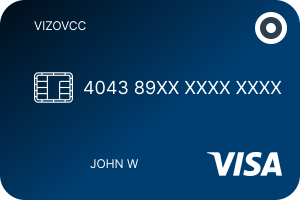
A dedicated prepaid card solves both, which is also how a virtual card helps affiliate marketers keep advertising accounts alive after a ban: the banned account's card is frozen and a fresh card number goes on the new account. The Vizovcc card is a USD prepaid Visa or Mastercard: you load it from a crypto balance (USDT, also called Tether, is the usual top-up), the ad platform sees an ordinary card, and the spend can never exceed the balance. You can freeze it from the dashboard the moment an account is compromised, move unused funds back to your balance and issue a fresh card for the next account. Our guides to Facebook Ads, Google Ads and TikTok Ads cover each platform's billing quirks, and the virtual cards for ads hub has the rest.
Two honest limits. Meta sometimes keeps new ad accounts with prepaid cards on low spend thresholds until they build history, so start with modest daily budgets. And the card is funded with crypto only: if you do not already hold USDT, you buy it on an exchange first and pay that exchange's spread.
Best Virtual Cards for Affiliate Marketing: How to Choose a Virtual Card Provider
Search for "best virtual cards for affiliate marketing" and you will find the same shortlist: PST.NET (PSTNET), which markets trusted BINs, Telegram support and Tether top-ups to media buying teams; Privacy.com, which offers virtual cards free to US residents with a linked bank account (a dozen free cards a month on its basic plan); Buvei and similar services that sell unlimited cards for marketing teams; and crypto-funded sellers like us. Whatever the provider, the same checklist applies to virtual cards for affiliate marketing and, frankly, to any virtual payment cards used for online payments and online purchases:
- BIN quality. The BIN (the first six to eight digits of the card number) tells an advertising platform the issuer, the country and whether the card is prepaid, debit or credit. Advertising accounts get flagged when many accounts share an abused BIN range; the trusted ones are simply those that have not been burned. Ask which issuer and currency a card uses before you buy, and move to a new card number when an ad account is banned instead of reusing one.
- Instant issuance and top-ups. Cards issued in minutes, reloadable from a balance in USDT, Bitcoin or another crypto, with a clear expiration date. One-time cards are fine for a trial; reloadable cards are what ad spending needs.
- Spend limits and spend per card. A prepaid balance is a hard limit; some providers add per-card spend limits and MCC (merchant category code) restrictions on top. Read the special conditions on advertising platforms, since a few card ranges are blocked on Google Ads or TikTok Ads.
- KYC. PSTNET and most bank-backed issuers require identity documents; crypto-funded cards usually do not. Decide how much paperwork you accept for the volume you run.
- 3-D Secure and security features. Facebook Ads and Google Ads rarely trigger 3D-Secure, but SaaS tools and some native networks do. A card that fails the check means a declined top-up at the worst moment.
- Fees and currency. Low-fee providers charge a flat card fee and no monthly fee; others take 2–4% on every top-up. Match the card currency to the platform billing currency to avoid conversion on each charge. SEPA or bank cards tied to your name are the opposite of what you want for a disposable ad account.
- Wallets and apps. Google Pay and Apple Pay support, a mobile app and a Telegram desk are conveniences for online transactions, not essentials.
We fit the crypto-funded, no-KYC slot: cards issued instantly from a USDT or Bitcoin balance, a flat one-time fee, reloadable with no monthly cost, and a cardholder dashboard to freeze and reissue. PST offers a bigger card menu and a Telegram desk for large teams at the price of verification; Privacy.com is the obvious choice if you are in the US with a bank account. Pick by volume, geography and how much KYC you accept.
Our Virtual Cards for MaxBounty Affiliates and Prices
Every card is a reloadable prepaid card in US dollars. The price is split into a small issue charge and the balance loaded onto the card, with no monthly fee, no funding percentage and no conversion on USD-billed ad platforms.
| Card | Total price | Issue charge | Loaded balance | Validity | |
|---|---|---|---|---|---|
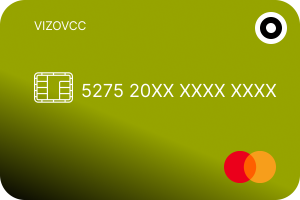
| Mastercard Reloadable Classic | $100 | $5 | $95 | 1 year | Get this card → |
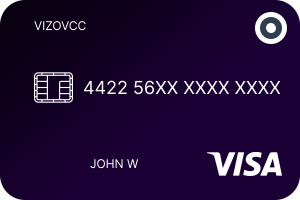
| Visa Virtual Universal | $100 | $5 | $95 | See card page | Get this card → |
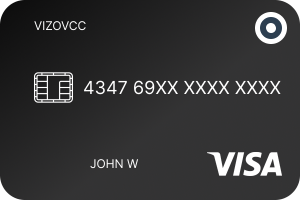
| Virtual Visa Gold | $200 | $10 | $190 | 2 years | Get this card → |
| Virtual Visa Platinum | $300 | $15 | $285 | 3 years | Get this card → |
A typical setup for someone testing two MaxBounty offers is one Classic card per Meta ad account and a Gold card for the tracker and tools, reloaded from the same balance as campaigns scale. Compare that with a $300 ad budget on a local card at a 3–4% foreign-transaction fee plus a decline risk, and the $15 issue charge pays for itself on the first threshold. The full range is on the cards page.
Need a card your ad accounts will accept, today?
Create a free account, send USDT and have a USD Visa or Mastercard in your dashboard in minutes. One card per ad account, reload as you scale, freeze if anything looks wrong.
How to Get Your Card and Add It to Meta, Google or TikTok
- Create a free account with your e-mail address and turn on two-factor authentication. No ID upload, no bank account.
- Send crypto to your balance. USDT on Tron (TRC-20) is the cheapest to move; USDC, Bitcoin, Ethereum and Litecoin are also accepted. The balance updates when the network confirms, credited at face value. New to crypto? See how to buy a prepaid card with crypto.
- Buy your first card. Pay the one-time fee from your balance; the card is issued instantly, so the card number, expiration date, CVV and billing address appear in your dashboard immediately.
- Add it to the ad platform. In Meta Business Manager, Google Ads billing or TikTok Ads Manager, add a credit or debit card, use the billing address exactly as shown in your dashboard, and set a daily budget below the loaded balance. Top-ups come from your balance before each threshold; keep the MaxBounty payout flowing into Payoneer or your bank, not onto the card.
MaxBounty Rules That Get Affiliates Terminated
Most "MaxBounty scam" stories trace back to one of these clauses in the affiliate agreement. Know them before you spend a dollar on traffic.
| Rule (agreement clause) | What it bans | Consequence |
|---|---|---|
| 4.9 SMS marketing terms | Delivering ads by SMS or text message, full stop | Termination and forfeiture of all money due |
| 4.12 E-mail rules | Any e-mail to non-opted-in recipients, missing unsubscribe links, suppression-list breaches, no physical address | Forfeiture of entire commission across all campaigns, plus liability for damages |
| 4.10 Bad-faith actions | Generating your own leads, misrepresenting the offer, coaching users to cancel | Termination; partial fraud still means no payment |
| 4.11 Account sharing | Sharing, lending, leasing, selling or transferring the account, including joint ventures | Termination and possible litigation |
| 4.4 Incentive traffic | Rewarding users for sign-ups unless the campaign explicitly allows it | Termination; most campaigns do not allow it |
| Campaign traffic rules | Sending social, search, e-mail or other traffic a campaign excludes | Reversed leads, then termination |
| 4.13 Inactivity | No login for 6 months | Inactive status; terminable with balance debited at 9 months |
Note the SMS clause, because "MaxBounty affiliate terms SMS marketing" is one of the most searched questions about the network: SMS is prohibited outright, regardless of consent. Push notifications and content-unlock traffic are different categories and are allowed on campaigns that accept them.
MaxBounty vs ClickBank and Other Alternatives
MaxBounty is a CPA network: you are paid for leads and actions, which suits paid-traffic buyers. ClickBank is a marketplace of digital products paying revenue share on sales, which suits content and e-mail marketers with an audience. The networks below are the ones that come up most in "MaxBounty alternative" searches, with their published minimums.
| Network | Model | Approval | Minimum payout | Frequency | Best for |
|---|---|---|---|---|---|
| MaxBounty | CPA, CPL, CPS, CPI | Application plus interview | $100 | Net-15, then weekly | Paid-traffic publishers with experience |
| ClickBank | Revenue share on digital products | Instant | $10 (default) | Weekly or bi-weekly | Content, e-mail and review sites; see our ClickBank guide |
| CPAlead | CPA, content locking | Instant | $10 | Daily available | Beginners and incentive traffic |
| MyLead | CPA, CPL, CPS | Easy | $20 | Weekly | Beginners, international |
| Digistore24 | Revenue share marketplace | Instant | $50 (configurable) | Weekly to monthly | ClickBank-style marketplace for EU publishers |
| CPAGrip | CPA, content locking | Fast | $50 | Weekly, net-7 on request | Incentive and locker traffic; see our CPAGrip guide |
Minimums and schedules are from each network's public pages and 2026 reviews; they change, so confirm inside the dashboard. Whichever you pick, the card question is identical: the network pays you, and the card pays your traffic.
How to Make Money With MaxBounty: A Realistic Playbook
There is no shortcut, and the ones sold as "MaxBounty CPA marketing courses" mostly repeat what the free MaxBounty University material and your affiliate manager will tell you. The parts that matter: pick one vertical where you understand the user (finance, insurance and health lead-gen pay most but need pre-landers and compliant creatives; e-mail submits and sweepstakes pay $1–$3 and convert easily but need volume). Use the EPC shown on each campaign as a sanity check, not a promise. Build a pre-lander, send paid traffic with a tracker in the middle, and read the campaign's traffic rules twice. Free traffic works on MaxBounty, but it is slow: an SEO site, a YouTube channel or an opted-in e-mail list can take months to reach the $100 minimum, while paid traffic can reach it in a week and lose it in a day. Daily caps on popular offers mean you will need several campaigns to scale, and geo-restricted offers mean your traffic country must match. Your first net-15 payment tells you whether the model works; weekly payments after that are where it becomes a business.
Honest Pros and Cons
| Where a Vizovcc card helps a MaxBounty affiliate | Where it does not |
|---|---|
| Accepted by advertising platforms that decline bank cards from many countries | Cannot receive MaxBounty payouts; you still need Payoneer, PayPal or a bank |
| One card per ad account; spend can never exceed the loaded balance | Crypto-only funding; no bank transfer or card top-up |
| Instant issuance with an e-mail address; no KYC, no ID upload, no account levels | USD only, no physical card; EUR or GBP billed tools are converted at the network rate |
| Freeze and reissue from the dashboard when an ad account is compromised | Meta may keep prepaid-card accounts on low thresholds at first |
| $5–$15 issue charge, no monthly, inactivity or conversion fee on USD billing | Not a bank; does not help you pass MaxBounty's interview or compliance checks |
Frequently Asked Questions
What is MaxBounty and how does it work?
MaxBounty is a CPA affiliate network founded in 2004 in Ottawa and owned by mrge since August 2024. Advertisers pay a fixed amount per lead, sale or install; publishers send traffic through tracking links; MaxBounty tracks actions by postback, collects from the advertiser and pays the publisher.
What are the MaxBounty payment methods?
MaxBounty pays through the Payoneer and Tipalti platforms. Inside them you can choose PayPal, wire transfer, ACH, eCheck, check or Intercash depending on your country. MaxBounty has said Payoneer is becoming its primary method.
What is the MaxBounty payment schedule?
Net-15 for your first payment (a month's earnings about 15 days after the month ends), then automatic weekly payments once you have received one payment and are paid electronically. Reviewers report the weekly run on Wednesdays.
What is the minimum payout?
$100, or a higher amount you set yourself. Balances under the minimum roll over to the next period. Thresholds can vary by payment type.
Does MaxBounty offer instant payouts?
No. The fastest schedule is weekly. Any page promising instant MaxBounty payouts is describing a different network or selling something.
Is there MaxBounty payment proof?
Hundreds of affpaying reviews, including October 2026 entries, report on-time weekly payments, and the network has paid publishers since 2004. Trustpilot's low score comes mainly from terminated accounts that were not paid, which MaxBounty's terms allow.
Can I get approved without a website?
Yes. MaxBounty's FAQ says a website is not required, but you must explain your promotion method in the application and to your affiliate manager, and most applicants have a short phone or video interview.
Can I use a Vizovcc card to receive MaxBounty payments?
No. Our card is a prepaid spending card; it cannot receive transfers. Use it for ad spend and tools, and receive MaxBounty commissions through Payoneer, PayPal, wire or ACH.
Is SMS marketing allowed on MaxBounty?
No. Clause 4.9 of the affiliate agreement bans delivering ads by SMS or text message. E-mail is allowed only to opted-in recipients under the rules in clause 4.12.
Should I buy an approved MaxBounty account?
No. Buying, selling, sharing or transferring accounts is banned under clause 4.11, the network says buyers usually intend fraud, and a terminated account receives no payment. Apply yourself and take the interview.
MaxBounty vs ClickBank: which is better?
MaxBounty if you buy traffic and want fixed CPA payouts on leads; ClickBank if you have an audience and want revenue share on digital products with a $10 minimum and instant approval. Many publishers run both.
Does MaxBounty accept free traffic?
Yes, as long as the campaign allows the source. SEO, YouTube and opted-in e-mail are accepted; SMS is banned and incentive traffic is limited to campaigns that permit it. Free traffic simply takes longer to reach the $100 minimum.
What is the best virtual card for affiliate marketing?
There is no single best option. Media buying teams with large budgets lean towards PSTNET for its card range and Telegram support, US residents use Privacy.com, and publishers who want no KYC and crypto funding use cards like ours. Judge any virtual card service by BIN quality, how fast cards are issued, spend per card, fees and whether it is accepted on your advertising platforms.
Do virtual cards get ad accounts banned?
Not by themselves. Bans come from policy violations, shared or abused card ranges and mismatched billing details. Use a fresh card per account, keep the cardholder name and billing address consistent, and never reuse a card number from a banned account.
Which MaxBounty campaigns pay the most?
Finance, insurance and some health lead-gen campaigns pay the most per action, often $50 to $200+, but they require pre-landers and strict compliance. E-mail submits and sweepstakes pay $1 to $3 and convert more easily. Check the EPC and daily cap on each campaign.
The Bottom Line
A virtual card for MaxBounty is not a payout method; it is the budget line that funds the traffic MaxBounty pays you for. Get approved honestly, set up Payoneer or PayPal to receive net-15 and then weekly payments above $100, stay inside the traffic rules, and put your ad spend on a card that platforms accept and that cannot overrun. For publishers outside the US and Europe, or anyone who wants one card per ad account without involving a bank, a reloadable USD card from Vizovcc does that job for a one-time $5 to $15.
Fund your next MaxBounty campaign on a card built for ad spend
Free account, crypto deposit, card in minutes. Reload as you scale, freeze when you need to.
Sources
- MaxBounty, FAQ: payment schedule, $100 minimum, payment platforms, approval, incentive traffic, account selling, terminated accounts.
- MaxBounty, Affiliate Agreement (effective 13 August 2024, mrge BC Advertising Inc. dba MaxBounty): clauses 4.4, 4.9–4.13, 7.1–7.4, 8.1.
- MaxBounty, homepage and About: 30,000+ affiliates, 3,000+ active campaigns, mThink Blue Book #1 CPA network 2024, part of mrge.
- BetaKit, MaxBounty acquired by German ad firm mrge (August 2024).
- Panstag, Is MaxBounty legit and worth joining in 2026 (30 March 2026): interview, Wednesday payouts, payout ranges, comparison with CPAlead and MyLead.
- affpaying, MaxBounty reviews (407 reviews); Trustpilot, maxbounty.com (237 reviews, TrustScore 1.8).
- MaxBounty Plus, MaxBounty acquired by mrge; Payoneer, pricing.
- GrowSurf, Affiliate marketing statistics 2026 (citing Statista and the Performance Marketing Association): CPA programs generate 58% of affiliate revenue; US affiliate spend $10.7bn in 2026.
Cards for this guide
More in Ads & marketing
- Tracking & Split Testing With Virtual Cards: Smarter Campaign Budgets, & Expense Control
- TikTok Ads Virtual Card: How to Buy a VCC for TikTok Ads?
- Virtual Credit Card for Google Ads: How to Pay for Google Ads
- Buy Virtual Card For CPAGrip – Boost Your CPAGrip Earnings
- Virtual Card for ClickBank: Get Paid Faster with Secure VCCs
- Virtual Cards for CPA Marketers: Key to Unlocking Unlimited Scaling